

Birdwatching in the Algarve: Practical Guide to Three Locations
Practical comparison of three birdwatching locations in the Algarve, with official trail, seasonality, field behaviour and accessibility checks.

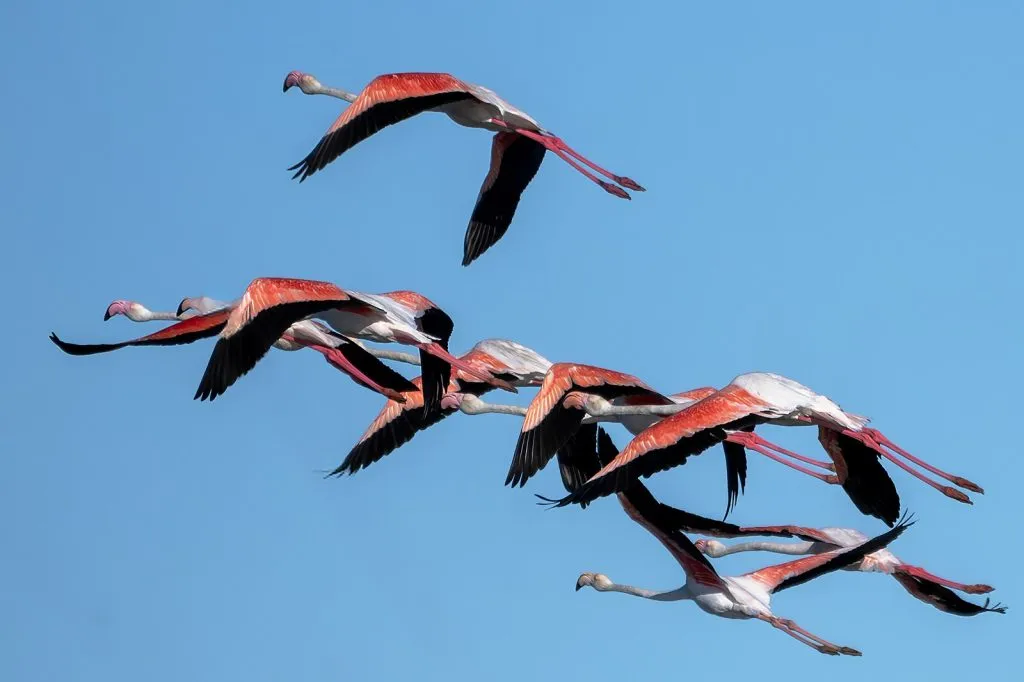
This guide compares three options for birdwatching in the Algarve: Quinta de Marim, Ludo and Quinta do Lago, and the reserve near Castro Marim and Vila Real de Santo António. This guide compares these locations based on official ICNF information, without promising species or assuming access that is not documented. All information should be reconfirmed before each visit.
| Location | Dominant habitat | Species mentioned | Access and precautions |
|---|---|---|---|
| Quinta de Marim (CEAM) | Saltmarsh, dunes, pine woodland and freshwater pond | Waders, ducks and herons mentioned on the ICNF trail | Circular trail starting and ending at the CEAM gate; confirm opening times, tickets and restrictions |
| Ludo and Quinta do Lago | Observation sites in the Ria Formosa | Consult the ICNF regional list | Check public access and seasonal restrictions with the managing bodies |
| Castro Marim and VRSA | Saltmarsh, saltpans and channels of the Guadiana | Black-winged stilt, avocet, white stork and flamingo | Do not assume access through working saltpans or along private tracks |
Quinta de Marim: the official trail
The Centro de Educação Ambiental de Marim, in Olhão, has a walking trail described by the ICNF as circular, covering 2.5 km with an estimated duration of 1h30 to 2h. These are figures published by the ICNF, not measured times nor a guarantee of current access. The route starts and ends at the CEAM gate and crosses saltmarsh, dunes, pine woodland, a tide mill and other features interpreted along the way.
Two bird hides allow views over the saltmarsh and a freshwater pond, suitable spots for watching waders, ducks and herons. Before setting out, confirm opening times, tickets and temporary restrictions directly with the ICNF. The easy walking grade indicated does not certify wheelchair accessibility. The trail map is available in the official ICNF PDF (percurso CEAM Marim).
- Print or save the ICNF PDF as a reference map.
- Bring water, sun protection and binoculars.
- Respect the signage and do not leave the marked route.
Ludo and Quinta do Lago
The ICNF birdwatching guide includes Ludo, Quinta do Lago, Quinta de Marim and the Tavira saltpans among the observation sites in the Ria Formosa. The presence of flamingo, spoonbill, white stork and purple swamphen (Porphyrio porphyrio) is mentioned for the Ria Formosa as a whole, but a species list is no guarantee of a sighting on any given day.
To link your visit with the nearest town, consult the Faro guide and the Olhão guide, which describe access, markets and connections to the Ria Formosa.
- Confirm which trails and viewpoints are open to the public on the day of your visit.
- Choose visiting times according to the opening of access points and the time available to observe without rushing.
- Avoid walking near nests or marked breeding areas.
Castro Marim and Vila Real de Santo António
The Castro Marim and Vila Real de Santo António Natural Reserve stretches along the Guadiana and includes saltmarsh, channels and saltpans. The black-winged stilt is the symbol species of the reserve; among the recorded birds are avocet, white stork and flamingo. Do not assume access through working saltpans or along private tracks, and do not expect flamingos throughout the year or in constant numbers.
The area can be combined with a visit to Tavira, described in the Tavira guide, which includes the saltpans as a birdwatching point of interest.
- Plan your journey and find out about authorised trails.
- Wear suitable footwear and check the wind forecast before setting out.
- Respect active saltpan areas and prohibited access points.
First visit and route planning
For a first visit, the Marim trail is the most structured option, as it has a defined route, two hides and a connection to the CEAM. Take the ICNF PDF as a reference map and identify the observation points before walking, so as to spread your time between the saltmarsh, pond and tide mill.
For Ludo, Quinta do Lago and Castro Marim, confirm authorised access and the route you intend to take before choosing transport. Avoid plotting a route through private property or working saltpans.
- Start early and allow two to three hours per location.
- Combine no more than two locations in the same day to reduce travel.
- Adapt or postpone the visit if the forecast indicates unsuitable conditions for the trail.
Seasonality and field behaviour
The Ria Formosa is used by migratory waterbirds for wintering or as a stopover, and the purple swamphen (Porphyrio porphyrio) is a flagship species of the natural park. The saltpans are important feeding and roosting habitats for waders. There is no guarantee of seeing any species, nor of numbers or dates, so birdwatching should be seen as a possibility, not a certainty.
In the field, keep your distance, avoid noise, do not approach nests or leave litter, and respect signage and private property. The use of playback or calling is not recommended in protected areas.
- Stay on the planned trails and hides.
- Do not feed the birds or approach resting flocks.
- Record your sightings in citizen science apps to contribute data.
Accessibility checks
Before each visit, confirm the CEAM and trail opening times, whether a ticket or permit is needed, the condition of the paths after rain or tides, and the availability of public transport on the day. An easy walking grade does not certify wheelchair accessibility, so this condition must be checked case by case with the managing body.
Official information is available on the Ria Formosa Natural Park page and on the Castro Marim and Vila Real de Santo António Natural Reserve page. The ICNF birdwatching guide (PDF) lists the observation sites and species mentioned for the Ria Formosa.
- Contact the ICNF or the natural park to confirm conditions on the day.
- Check tides and wind before walking in saltmarsh areas.
- Save the map for offline consultation, or take a printed copy.