

Markets and Fairs in the Algarve: Where to Buy Local Products

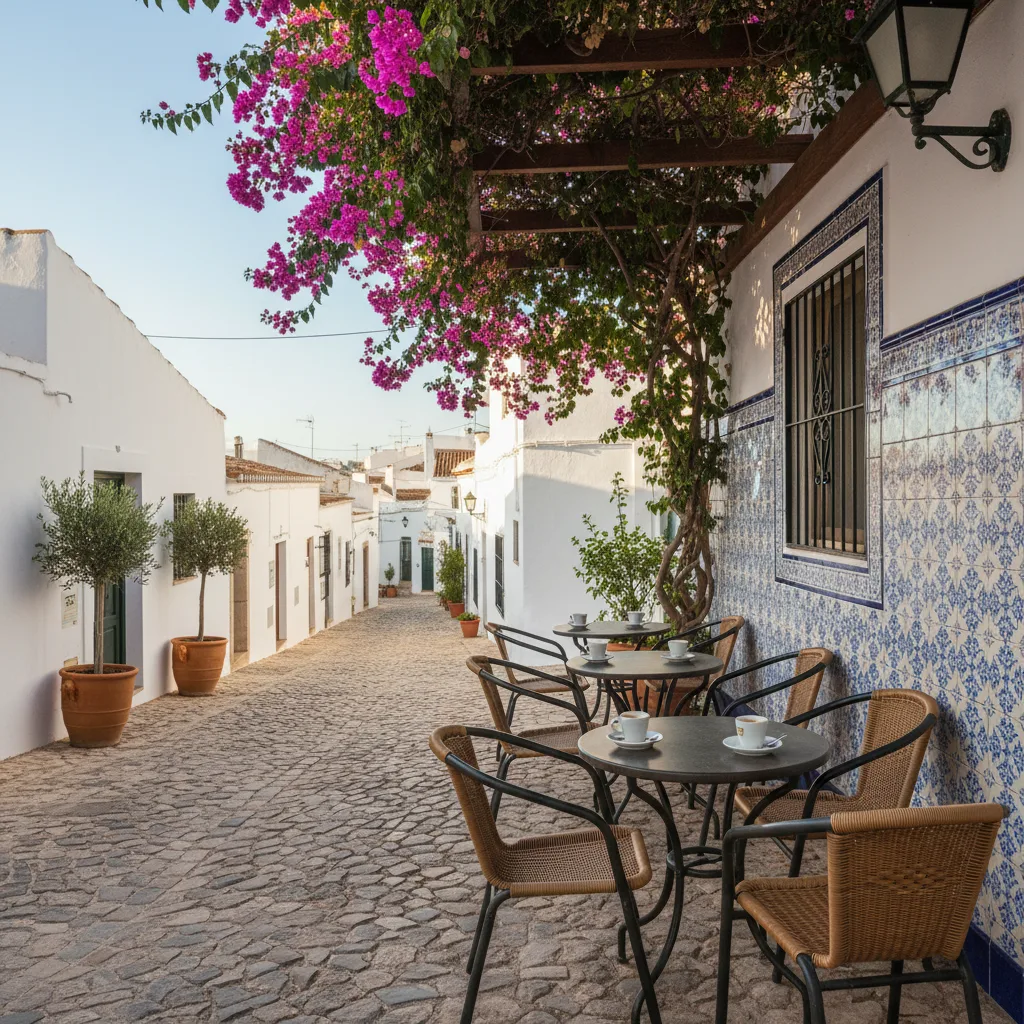
The Algarve’s markets are one of the best ways to get to know the region inside out. Toasted almonds, dried figs, honey, spices, copper cataplanas, cork crafts — and the atmosphere, which is irreplaceable. You can go to the supermarket to buy cheese. Or you can go to Loulé market on a Saturday morning and understand why this region is special.
Loulé Market — the most beautiful in the Algarve
If you only have time to visit one market in the Algarve, make it this one. The Loulé Municipal Market operates inside a neo-Moorish building from the early 20th century — towers, merlons and tiles that make you feel like you’ve stepped into another era. It’s one of the most photographed buildings in the Algarve’s interior.
The busiest market day is Saturday morning, when local producers gather inside and outside the building with fruit, vegetables, herbs, cheeses, cured meats, honey, regional sweets and crafts. The vendors have been the same for years and know all the regulars by name.
During the week, the market also operates (Monday to Saturday) but with less activity. The best time is between 8am and noon. Parking in Loulé can be tricky on Saturdays — arrive before 9am or use the car park near the EN125.
Olhão Market — the best for fish
Olhão has two markets side by side along the Gilão river: one for fish and seafood, another for fruit, vegetables and regional products. The red-brick buildings by the water date from the early 20th century and have remarkable architectural quality.
Saturday morning is the highlight — the fishmongers arrive early, the smell of the sea fills the air, and you’ll find percebes, clams, sole and much more at direct-from-producer prices. Ideal for anyone staying in a house with a kitchen.
Hours: Monday to Saturday, 7am to 1pm. Closed on Sundays. The market is in the centre of Olhão, just metres from the quay where boats depart for Ria Formosa.
Quarteira Fair — the largest open-air market
Every Wednesday, one of the Algarve’s largest open-air fairs takes place in Quarteira — hundreds of stalls along the seafront, with clothing, textiles, shoes, household items, local products and much more. It’s enormous. You can enter from one end, walk for 45 minutes, and still not have seen half of it.
It’s not a gourmet market — it’s a popular fair with everything mixed together. But it has its own charm and is a very Algarve experience. Best time is in the morning, between 8am and noon. Parking available nearby (some paid car parks).
Lagos Municipal Market
Lagos market is in the city’s historic centre, in a building with a modern roof. It has fresh fish, fruit, vegetables and some artisans. Smaller than Loulé or Olhão, but practical if you’re staying in the Lagos area. Open Monday to Saturday, mornings.
Faro Market
Faro’s Municipal Market, in the city centre, has a good upper floor dedicated to restaurants — it’s home to some of the cheapest and most authentic lunches in the Algarve capital. On the ground floor there’s fish, fruit and local products. Open Monday to Saturday.
Gypsy fairs — what to expect
In various Algarve towns there are periodic fairs — known locally as “gypsy fairs” — with clothing, textiles, tools and household items at very low prices. They generally happen once a month in a peripheral area of the towns. There’s no fixed published calendar, but locals always know when they’re on.
Quality varies a lot. These are popular fairs, with no guarantees, and price negotiation is expected. If you’re looking for cheap souvenirs or beachwear, you might find something. If you’re after quality regional products, head to the municipal markets.
What to buy at Algarve markets
Fig and almond products
The Algarve is Portugal’s most important almond and fig producing region. Dom Rodrigos (fig and almond sweets wrapped in silver and gold foil) are the most famous — originating from Lagos — but there are dozens of variations. Buy directly at the markets, not at airport shops.
Medronho
Medronho brandy is the quintessential regional drink. Made from the fruit of the strawberry tree, it has between 40% and 50% alcohol and an intense, fruity flavour. You’ll find bottles at every market. Quality varies — artisanal medronho from producers in the Serra de Monchique is clearly better than the industrial version.
Copper cataplanas
The cataplana is the Algarve’s traditional cooking utensil — a clam-shaped copper vessel used to steam seafood and fish. You can find them at markets and craft shops in various sizes. The originals are copper; stainless steel ones are more practical but have less history.
Cork products
Portugal is the world’s largest cork producer and the Algarve has fine cork oaks in the interior. Bags, purses, hats, chopping boards and even cork clothing are lightweight, sustainable and genuinely Portuguese. Available at craft markets and at the Loulé fairs.
Quick summary: when to visit each market
- Loulé — Saturday morning (8am-1pm), inside the neo-Moorish building in the centre
- Olhão — Monday to Saturday (7am-1pm), best on Saturday for fresh fish
- Quarteira — Wednesday (8am-1pm), seafront, huge open-air fair
- Lagos — Monday to Saturday mornings, historic centre
- Faro — Monday to Saturday mornings, with lunch on the upper floor
The Algarve’s markets aren’t just places to shop. They’re the real rhythm of the region — the place where locals meet, exchange news, and keep alive the tradition of commerce that has existed here for centuries. It’s always worth arriving early.