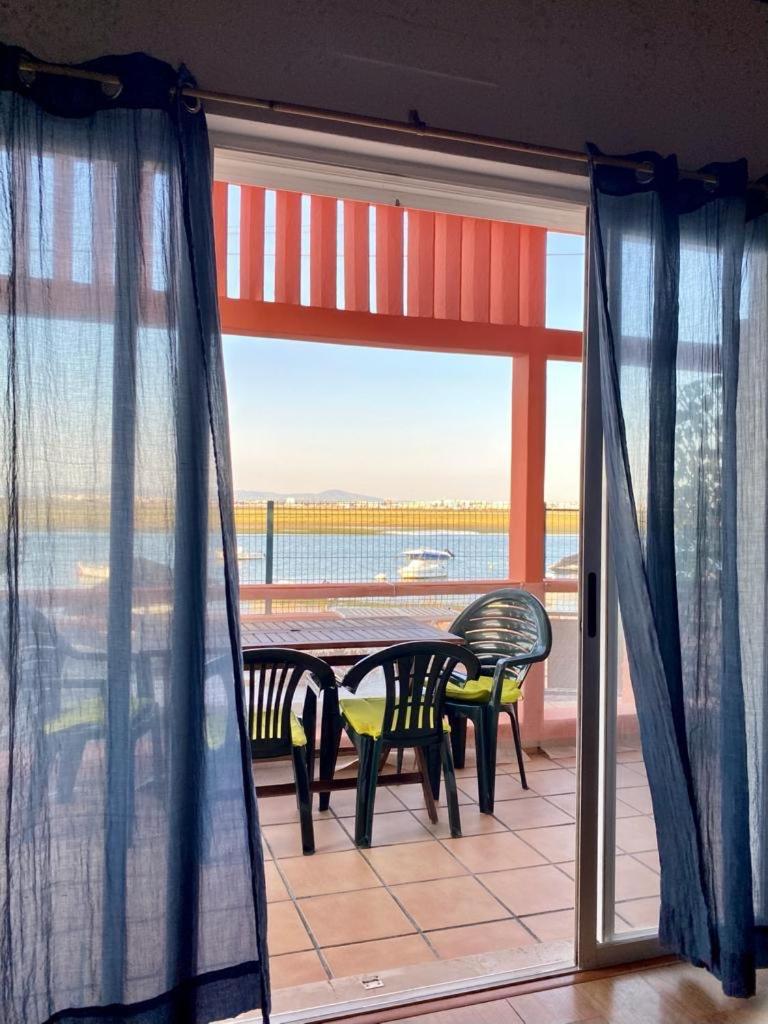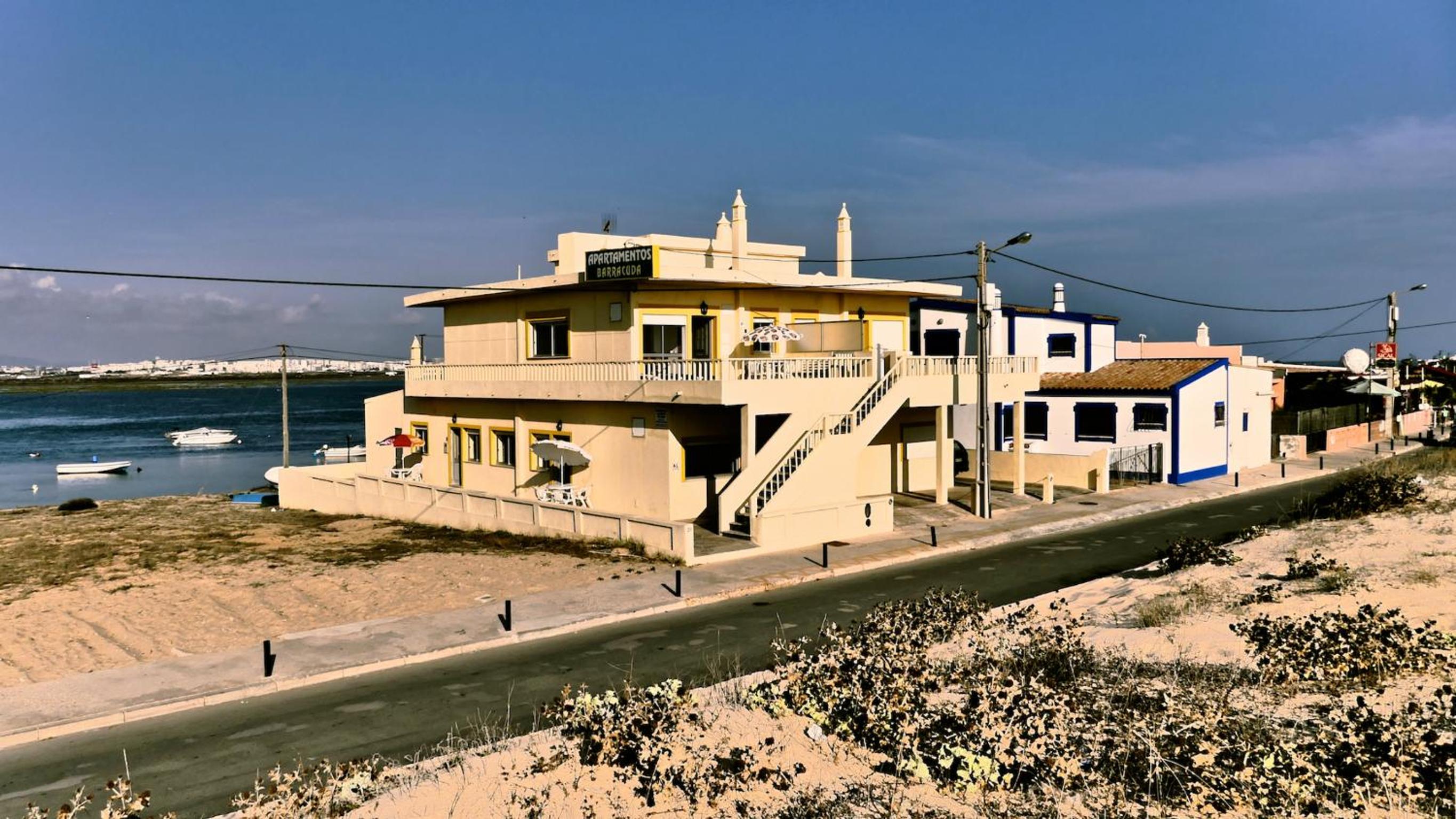

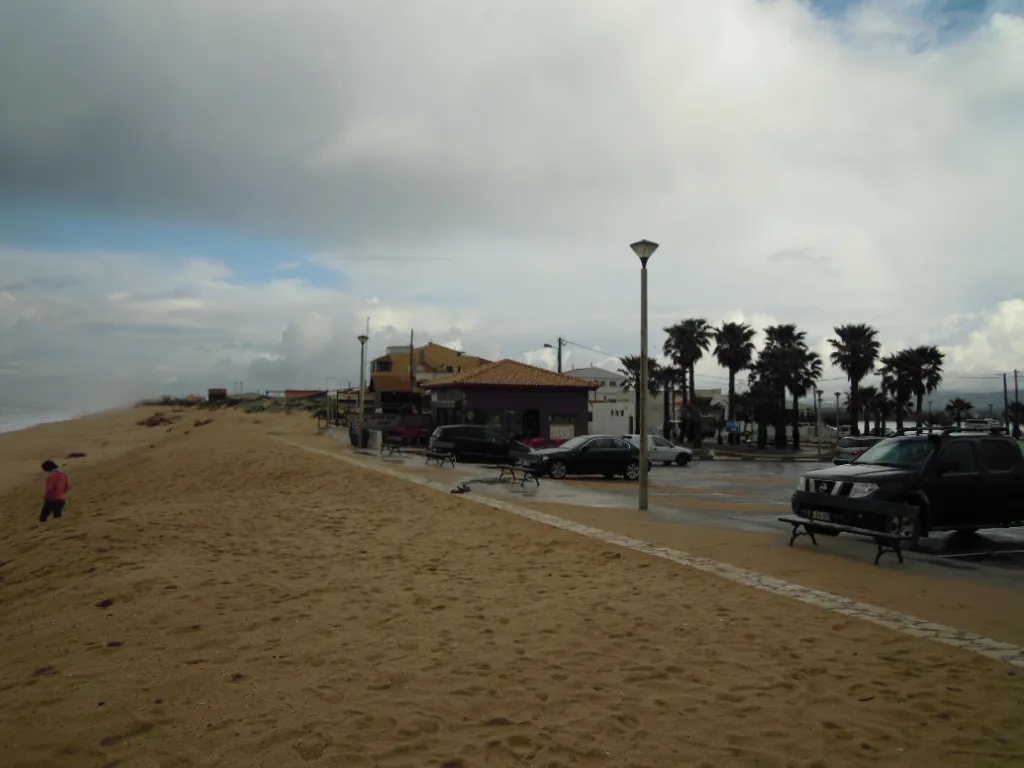
Faro beaches are spread across the barrier islands between the Atlantic Ocean and the Ria Formosa lagoon. Praia de Faro is the easiest option to reach by road, while other island beaches require a ferry or boat.
Faro beaches compared
| Beach | Access | Best for |
|---|---|---|
| Praia de Faro | By road across a narrow bridge | Easy access, facilities and restaurants |
| Ilha Deserta | By ferry or boat from Faro | A quieter barrier island experience |
| Ilha do Farol | By regular ferry service | Long sands and a small island settlement |
| Ilha da Culatra | By ferry from Olhão | A car-free island and fishing community |
Praia de Faro
Praia de Faro sits on the first barrier island west of Faro, with the Atlantic on one side and the Ria Formosa on the other. Visit Portugal confirms that it is reached by car across the narrow bridge linking the island to the main road and that it is close to Faro Airport.
This is the most straightforward beach choice if you are staying in Faro and do not want to depend on a boat. Traffic and parking demand can rise in busy periods, so allow extra time and follow local signs.
Facilities at Praia de Faro
The official tourism listing identifies a Blue Flag, seasonal security or surveillance, showers, sunshade rental, bars, restaurants and an accessible beach. It also lists windsurfing, sailing and small craft hire. Availability and operating hours can change, especially outside the bathing season.
Ilha Deserta and Ilha do Farol
These beaches are part of the sandy barrier between the Atlantic and the Ria Formosa. They are not road alternatives to Praia de Faro, so confirm the departure point, return timetable and weather before travelling.
Visit Portugal states that Ilha do Farol is served by a regular ferry and has a small settlement associated with fishing and shellfish cultivation. Its official listing includes a Blue Flag, seasonal surveillance, bar and restaurant.
Which Faro beach should you choose?
- Short, simple beach visit: Praia de Faro is the practical choice because it has road access.
- Island day trip: compare the current ferry options for Ilha Deserta or Ilha do Farol.
- Facilities: Praia de Faro has the broadest officially listed range in this guide.
- Quieter setting: an island reached by boat may suit you better, but conditions vary by date and season.
Practical tips before you go
Check the weather, wind, beach flags and ferry or bus schedules on the day of travel. Keep away from protected dunes, use marked paths and take all waste with you. Never rely on a published timetable without checking the operator’s current information.
For a wider regional comparison, see our guide to the best beaches in the Algarve.
Frequently asked questions
Does Faro have a beach?
Yes. Praia de Faro is the city’s main road-accessible beach, on a barrier island close to Faro Airport.
Can you drive to Praia de Faro?
Yes. The official tourism listing says the island is accessible by car over a narrow bridge connected to the main road.
What is the closest beach to Faro?
Praia de Faro is the simplest nearby option by road. The best route depends on your starting point and current traffic.
Are the Faro island beaches accessible by car?
Praia de Faro has road access. Ilha Deserta, Ilha do Farol and Ilha da Culatra are reached by water transport, not by road.