Tavira: Complete Guide — Things to Do & See in 2026

Why visit Tavira
Tavira is, for many, the most beautiful city in the Algarve — and with good reason. Far from the concrete and mass tourism that dominates much of the Algarve coast, Tavira retains the charm of a town that has aged gracefully. Cobblestone streets, traditional four-pitched rooftops, centuries-old churches, and the Gilão River cutting through the centre create a scene that feels like stepping back in time.
The Moorish heritage is everywhere — in the castle, the arches, the very layout of the whitewashed houses climbing up the hills. But Tavira is also the gateway to the Ria Formosa, with barrier island beaches that rank among Europe’s finest. It’s the kind of place where you can spend a morning exploring history and an afternoon on a paradise beach, all within minutes of each other.
If you’re looking for an authentic Algarve with great food, culture, and extraordinary beaches without the crowds of Albufeira or Vilamoura, Tavira is the right choice.
Things to see and do in Tavira
Roman Bridge
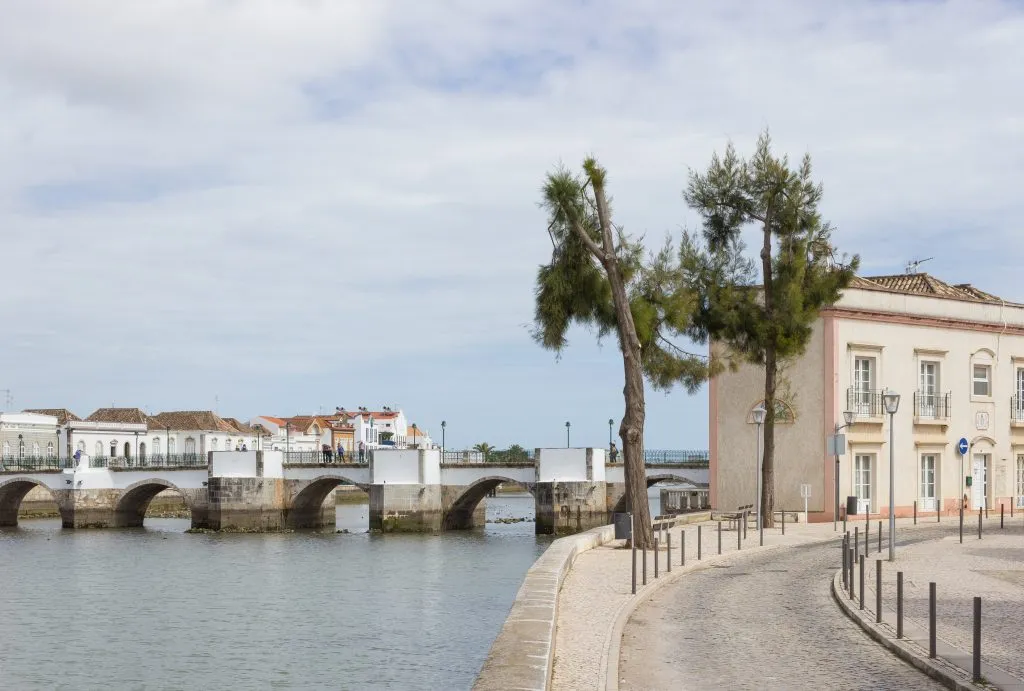
The bridge over the Gilão River is Tavira’s most iconic landmark and probably its most photographed spot. Despite the name, the current structure dates mainly from the 17th century — the original Roman bridge was destroyed by floods. With its seven arches and unobstructed views of both riverbanks, it’s the natural starting point for any visit. On one side, the historic centre with its terraces and restaurants; on the other, the fishing quarter with whitewashed houses. In the late afternoon, the golden light over the bridge is simply unbeatable.
Tavira Castle
Atop the hill that dominates the city, Tavira Castle is what remains of the Moorish fortification conquered by D. Paio Peres Correia in 1242. From the walls, you get a 360-degree view over the traditional rooftops, the river, and the Ria Formosa in the distance. The inner garden, planted with trees and shaded benches, is a peaceful retreat from the Algarve heat. Entry is free, and the short but steep climb is worth every step.
Church of Santa Maria do Castelo
Right next to the castle, the Church of Santa Maria do Castelo is the most important in Tavira. Built on the remains of a mosque in the 13th century, it holds the tombs of seven knights of the Order of Santiago who, according to legend, were killed by the Moors during a truce. The Gothic facade, the clock tower, and the Manueline portal make this one of the finest examples of religious architecture in the Algarve.
Mercado da Ribeira
The former municipal market, by the river, has been converted into a cultural and gastronomic space. Today, the Mercado da Ribeira houses small craft shops, galleries, and event spaces. On Saturday mornings, the market comes alive with stalls selling fresh produce, cheeses, cured meats, and regional sweets. It’s a great spot to start the day with a coffee and a pastel de nata before exploring the city.
Camera Obscura
Housed in a former water tower, Tavira’s Camera Obscura is a unique attraction in the Algarve. Through a system of lenses and mirrors, it projects a live image of the city in real time onto a 360-degree screen — like a giant camera. The guided visit lasts about 20 minutes and offers a different perspective on Tavira, with the guide pointing out landmarks as the image rotates. Tickets cost just a few euros and are well worth the experience.
Tavira Island
Tavira Island Beach is the star attraction of the region. Accessible by boat from Tavira’s quay (about 15 minutes) or by ferry from Quatro Águas, this Ria Formosa barrier island offers kilometres of golden sand washed by crystal-clear waters. In peak season, the area near the dock has beach facilities, restaurants, and sun loungers; but walk just a few minutes and you’ll find stretches of virtually deserted beach. Not to be missed.
Cacela Velha Beach
A short drive from Tavira, Cacela Velha Beach is one of the most beautiful — and most photogenic — beaches in the entire Algarve. You reach it by descending the cliff from the village of Cacela Velha (itself a gem, with its little church and fortress overlooking the Ria Formosa) and crossing a small stretch of water by boat. The result is a wild beach with few people and breathtaking natural beauty.
Ria Formosa boat tours
Tavira is one of the best bases for exploring the Ria Formosa, the natural park that stretches 60 kilometres along the Algarve coast. Boat tours navigate the channels between barrier islands, with stops for swimming and birdwatching — flamingos, herons, and storks are regular visitors. Several local companies operate from Tavira’s quay and Quatro Águas, with excursions ranging from 1 hour to half a day.
Best beaches near Tavira
Tavira is blessed with some of the best beaches in the Algarve, all within the Ria Formosa Natural Park. Here are the three you shouldn’t miss:
Tavira Island Beach — The most famous and accessible, with a vast stretch of sand that combines serviced areas with wild sections. Perfect for those who want options: stay in the organised zone with restaurants and parasols, or walk to find your own private paradise.
Cacela Velha Beach — A beach that feels like a well-kept secret. The approach from the historic village of Cacela Velha (about 15 minutes by car from Tavira) is part of the experience. Perfect for those seeking tranquillity and untouched landscapes.
Tavira Beach (Terra Estrela) — Tavira’s mainland beach, closer to the city centre and accessible without a boat. Less known than Tavira Island but with the advantage of not depending on ferry schedules. A good option for a quick beach visit.
Where to eat in Tavira
Tavira is a town that knows food — and knows how to cook it. The proximity to the sea and the Ria Formosa ensures exceptional quality fish and seafood, and Algarve tradition does the rest.
Seafood and fresh fish — The restaurants along the river and around Praça da República are a safe bet. Tavira tuna (the town has a long tuna-fishing tradition), octopus, cataplanas, and razor clam rice are essential dishes. O Gilão and Ria Formosa are names to remember.
Traditional Algarve cuisine — Beyond fish, don’t miss typical meat dishes like galinha cerejada (chicken stew) or chickpea casserole. The old town’s tascas serve home-cooked meals at honest prices — look for the places where locals have lunch.
Tapas and casual — The Mercado da Ribeira area and the pedestrian streets around the bridge are great for late-afternoon snacking. Cured cheese, ham, cod fritters, and a cold beer — the perfect Algarve ritual.
For more suggestions across the Algarve, check our complete guide on where to eat in the Algarve.
Where to stay in Tavira
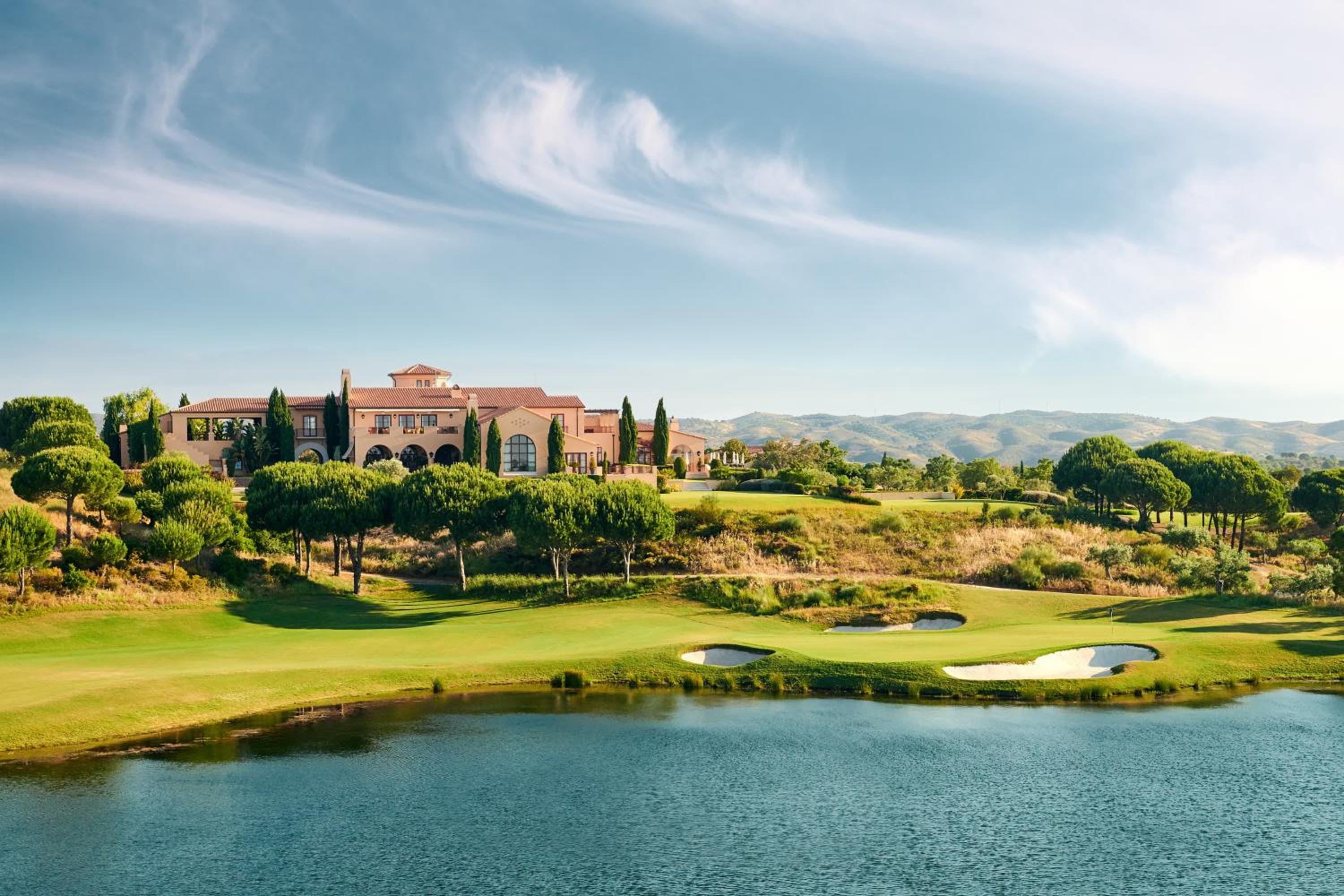
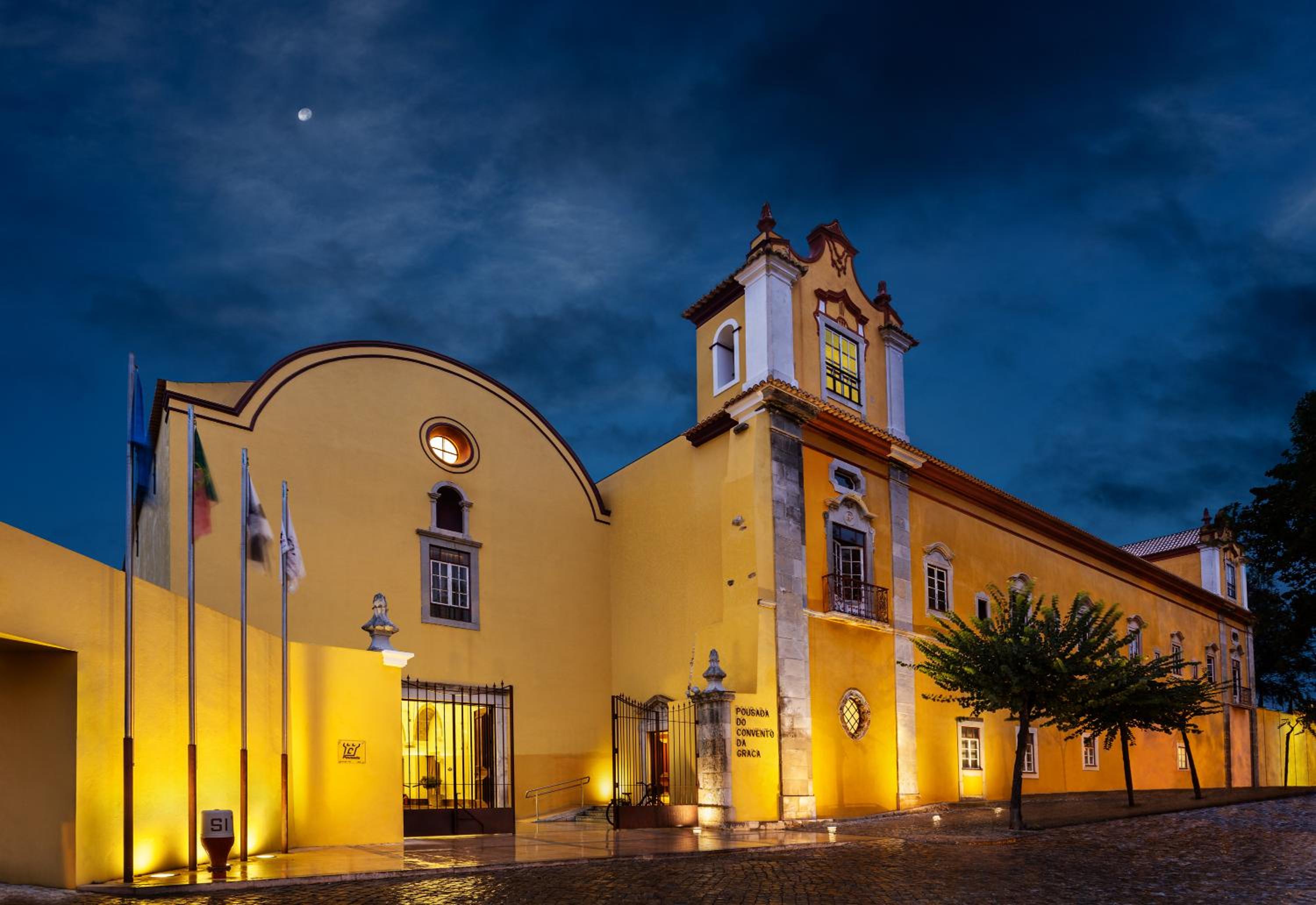
Tavira offers accommodation for every taste and budget, from hostels in the historic centre to boutique hotels and rural retreats on the outskirts.
Historic centre — The best area for exploring on foot. There are several charming apartments, guest houses, and small hotels in restored buildings. Waking up, opening the window, and seeing Tavira’s rooftops is priceless.
Quatro Águas — The area near the ferry terminal for Tavira Island. Ideal for those who want to be close to the beach, with some hotels and apartments offering Ria Formosa views.
Surroundings — For those who prefer more space and tranquillity, there are excellent rural tourism options and farmhouses with pools in the areas of Santa Catarina, Santa Luzia, and Luz de Tavira.
Check our guide on where to stay in the Algarve and search for accommodation in Tavira directly on our booking engine.
How to get to Tavira
By car — Tavira is about 37 km from Faro Airport, which translates to approximately 30 to 40 minutes via the A22 (Via do Infante). This is the most practical option, especially if you want to explore the surrounding beaches and villages. There are several car parks in the city, including by the river.
By train — The Algarve railway connects Faro to Tavira in about 40 minutes, with several daily departures. The train station is just a few minutes’ walk from the centre. It’s an affordable and convenient option, especially if you don’t want to rent a car.
By bus — Vamus Algarve (formerly Eva) operates regular connections between Faro and Tavira, stopping at the city’s bus station. The journey takes about 1 hour, depending on intermediate stops.
Practical tips
Best time to visit — May, June, and September are the ideal months: warm weather, accessible beaches, and fewer crowds than July and August. Winter is mild (12-16°C) and great for walking and exploring the city without tourists.
How long to stay — Two to three days is ideal for seeing the city, visiting the beaches, and taking a Ria Formosa boat trip. If you want to use Tavira as a base for exploring the eastern Algarve, a week flies by.
Parking — In the historic centre, parking can be tricky in peak season. The car park by the river (Rua da Liberdade) is the most central option. Outside the city, Cacela Velha Beach has limited parking — arrive early in summer.
Language — In the tourist area, almost everyone speaks English. But a “bom dia” and “obrigado” in Portuguese always opens doors and brings smiles — the people of Tavira are warm and welcoming.
Money and payments — Most restaurants and shops accept cards, but it’s worth having some cash for water taxis to the beaches and smaller markets.
Frequently asked questions
Is Tavira worth visiting?
Absolutely. Tavira is one of the most authentic and well-preserved towns in the Algarve, with a rare combination of history, culture, gastronomy, and excellent beaches. It’s especially recommended for those seeking an Algarve experience beyond mass tourism.
How many days do you need in Tavira?
Ideally 2 to 3 days: one day to explore the town (castle, bridge, churches, Camera Obscura), one day for the beaches (Tavira Island and Cacela Velha), and one day for Ria Formosa boat tours or nearby villages like Santa Luzia and Cacela Velha.
How do you get to Tavira Island?
The most common way is by ferry from Quatro Águas quay (about 2 km from Tavira centre), with regular crossings taking about 5 minutes. There are also water taxis from the city centre, near the Roman Bridge, with crossings of approximately 15 minutes. In summer, boats operate from 8am to 8pm or later.
Is Tavira good for families?
Tavira is excellent for families. The beaches have calm, shallow waters (especially Tavira Island on the Ria side), the town is safe and peaceful for walking with children, and there are activities like boat tours and the Camera Obscura that entertain both young and old.
What is the best time to visit Tavira?
The best time is from May to October, with temperatures between 20°C and 30°C and plenty of sunshine. June and September offer the best balance between good weather and fewer tourists. July and August are the hottest and busiest months. Winter is mild and ideal for those who prefer exploring without crowds.