Algarve Map & Regions: Complete Guide by Zone

The Algarve is the southernmost region of Portugal and one of Europe’s most popular holiday destinations. With around 200 km of coastline, over 300 days of sunshine per year, and a landscape diversity ranging from dramatic western cliffs to tranquil eastern lagoons, the Algarve has something for every type of traveller.
But the Algarve is not all the same. Each zone has its own character, beaches, and atmosphere. In this guide, we break down the region into its main zones to help you choose where to stay and what to explore.
Map of the Algarve — The Main Zones
The Algarve stretches along the entire southern coast of Portugal, from the Spanish border in the east to Cape St. Vincent — the southwesternmost point of mainland Europe — in the west. The region naturally divides into four distinct zones:
- Western Algarve (Barlavento) — from Sagres to Albufeira: golden cliffs, sea caves, and sheltered beaches between rock formations
- Central Algarve — from Vilamoura to Faro: luxury resorts, golf courses, and the regional capital
- Eastern Algarve (Sotavento) — from Olhão to Vila Real de Santo António: barrier islands, traditional fishing, and authentic charm
- Serra do Algarve — the mountainous interior: traditional villages, hot springs, and breathtaking landscapes
Faro Airport sits almost at the geographical centre of the coast, making any zone easy to reach. Sagres is about 1 hour 15 minutes to the west, Vila Real de Santo António about 50 minutes to the east.
Western Algarve (Barlavento) — Sagres to Albufeira
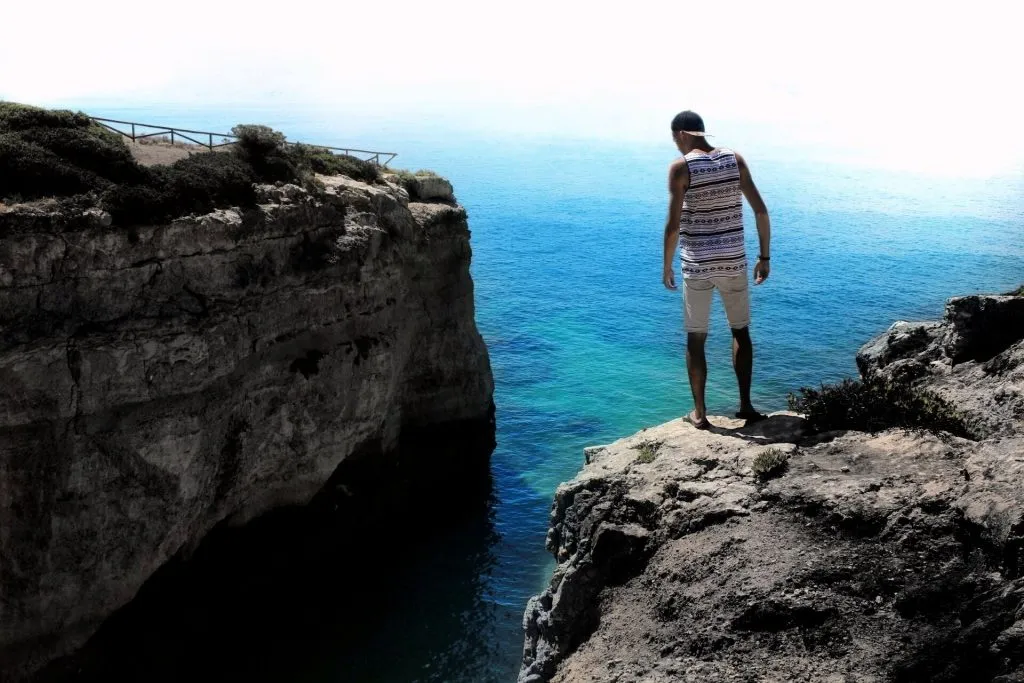
The Barlavento is the Algarve of the postcards: ochre-coloured cliffs sculpted by wind and sea, hidden beaches between rock formations, and waters of an intense turquoise blue. It’s the most iconic and photographed zone in the region.
Sagres and the Costa Vicentina
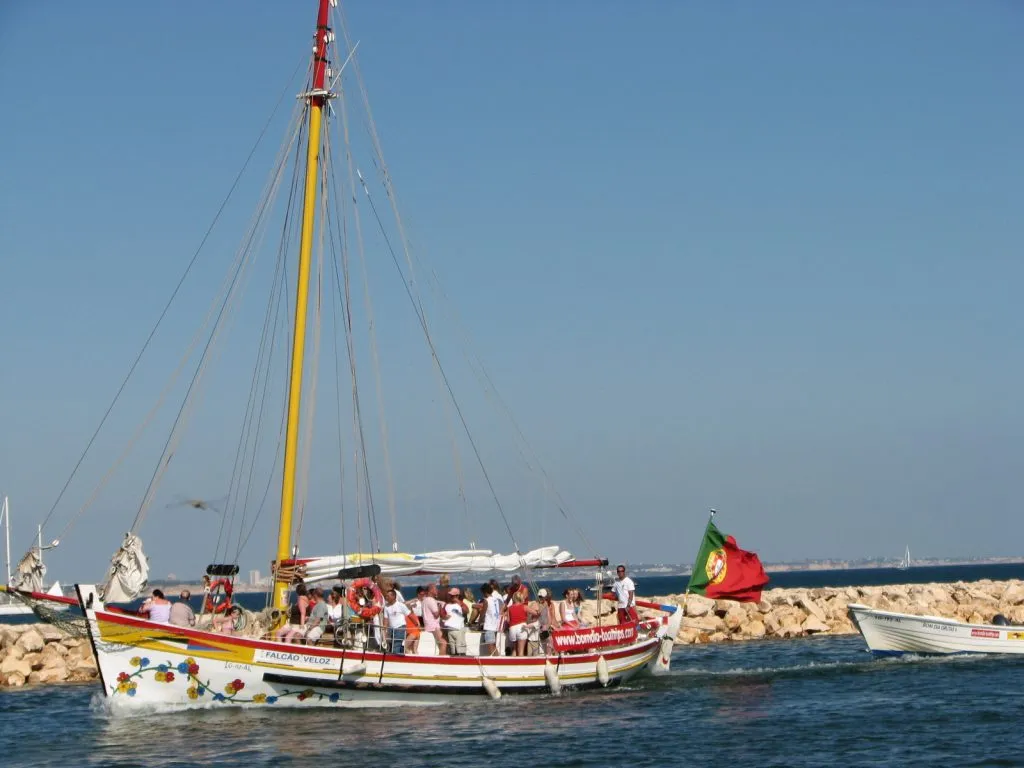
At the far southwest, Sagres is the wildest and most untouched part of the Algarve. Here, cliffs plunge straight down into the Atlantic, the wind blows hard, and the landscape has a raw beauty that contrasts with the rest of the region. The Fortress of Sagres, on the promontory above the ocean, is one of Portugal’s most emblematic sites — tradition says this is where Prince Henry the Navigator founded his school of navigation.
Sagres is the European capital of surfing. The west-facing beaches receive North Atlantic swells without any obstacle, creating perfect conditions nearly year-round. Praia do Tonel, hugging the fortress, is one of the most consistent. Praia do Amado, already on the Vicentine coast, is considered one of the best surf beaches in Europe.
For calmer swimming, Praia da Mareta is sheltered in Sagres Bay with gentler waters. Praia do Martinhal, facing south, is ideal for families with young children.
Best for: surfers, nature lovers, couples seeking tranquillity, independent travellers.
Lagos
Lagos is one of the most charismatic cities in the Algarve. The medieval walls of the old town hide cobblestone streets, baroque churches, and a surprisingly lively nightlife scene. The marina is the departure point for boat trips to the Ponta da Piedade grottoes — spectacular rock formations that are one of the Algarve’s icons.
Lagos’ beaches compete for the title of the region’s most beautiful. Praia de Dona Ana is frequently included in lists of the world’s best beaches, with its crystal-clear waters framed by sculpted cliffs. Praia do Porto de Mós is wider and less crowded, perfect for long sunset walks. In the centre, Praia da Batata is the most accessible, just steps from the town walls.
Best for: young travellers and backpackers, couples, families, those who want to combine beach with culture and nightlife.
Portimão and Praia da Rocha
Portimão is the Algarve’s second-largest city and an important commercial and gastronomic hub. The riverside area along the Arade River is famous for grilled sardines — restaurants line the quayside and the aroma of charcoal and fresh fish is unmistakable, especially during the Sardine Festival in August.
Praia da Rocha is one of the largest and most famous beaches in the Algarve: a vast stretch of golden sand flanked by impressive cliffs and packed with bars and restaurants. To the west, Praia do Vau is more sheltered and family-friendly. Praia de Alvor, on the Alvor estuary, offers a completely different setting: dunes, channels, and wooden boardwalks over the water.
Best for: families, food lovers, those looking for a resort with plenty of options.
Carvoeiro and Lagoa
Carvoeiro is a former fishing village that has kept much of its original charm. White houses cascade down to a small beach sheltered between cliffs, and the narrow streets have an intimate atmosphere that large resorts simply cannot replicate. It’s one of the most romantic spots in the Algarve.
Praia de Carvoeiro is small but enchanting. The real jewel of the area, however, lies just a few kilometres away: Praia da Marinha is consistently voted one of the most beautiful beaches in Portugal and Europe. The iconic natural stone arch and transparent waters are truly breathtaking. Nearby, Praia de Benagil is the access point to the famous Benagil Cave — the world’s most photographed sea cave, with a natural skylight in the ceiling that illuminates the sandy interior.
Best for: couples, honeymooners, families with older children, photographers.
Albufeira
Albufeira is the Algarve’s largest resort and the most visited destination in the entire region. It divides into two faces: the Old Town, with its picturesque streets, traditional restaurants, and a pleasant urban beach; and the Strip (Montechoro/Oura), the nightlife centre with bars, clubs, and entertainment until the early hours.
Albufeira’s coast has more than 20 beaches. Praia de São Rafael is one of the most beautiful, with spectacular rock formations and calm waters. Praia da Oura sits next to the nightlife zone. Praia dos Pescadores (Fisherman’s Beach), in the old town, gets its name from the fishing boats that still rest on the sand.
Best for: families (western area), young travellers and nightlife (the Strip), those who want everything at hand.
Central Algarve — Vilamoura to Faro
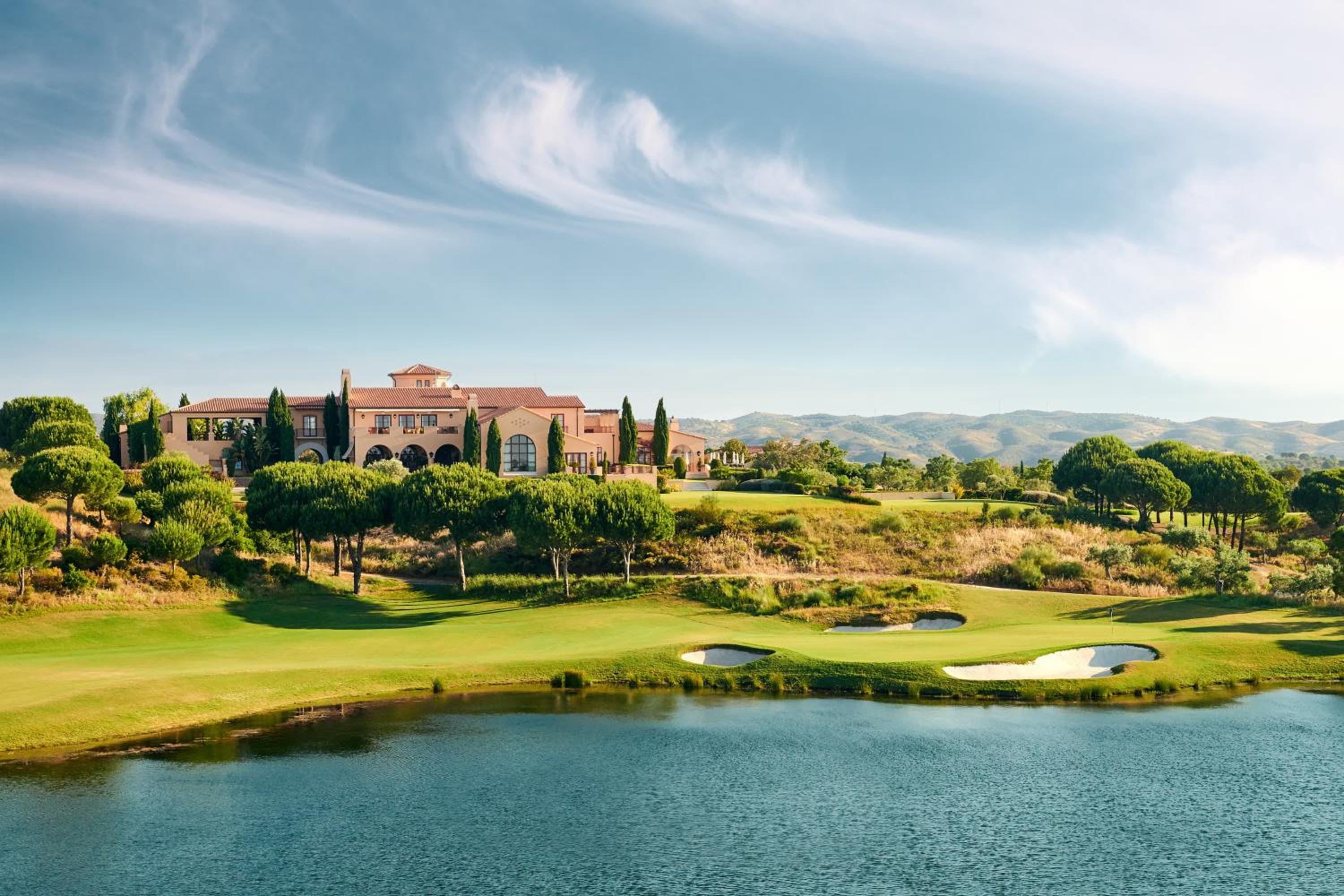
The central Algarve is the most polished and sophisticated zone. Here you’ll find some of Europe’s best golf courses, five-star resorts, yacht marinas, and luxury residential communities. The coastal landscape is less dramatic than in the Barlavento — fewer cliffs, more wide flat beaches — but the tourist infrastructure is world-class.
Vilamoura
Vilamoura is synonymous with organised luxury. The marina, with capacity for over 1,000 boats, is the epicentre: upscale restaurants, designer shops, casinos, and a promenade where you see and are seen. The five golf courses in the area (including the Old Course, one of Portugal’s oldest) attract golfers from around the world.
Vilamoura Marina Beach stretches in front of the marina, wide and well-equipped. To the east, Praia da Falésia is spectacular: a 6 km strip of sand flanked by cliffs in shades of red and orange that change colour throughout the day. It’s considered one of Europe’s most beautiful beaches.
Best for: golfers, couples, luxury travellers, active retirees.
Loulé and the Interior
Loulé is the largest inland town in the Algarve and worth a visit even if you’re staying on the coast. The municipal market, in a neo-Moorish building from the early 20th century, is one of the most authentic in the Algarve: stalls of fruit, fresh fish, regional cured meats, and copperware crafts. On Saturdays, the Gypsy market draws thousands of visitors.
South of Loulé lie two of Europe’s most exclusive residential communities: Quinta do Lago and Vale do Lobo. Award-winning golf courses, private beaches, Michelin-starred restaurants, and multi-million-euro properties make this a world apart within the Algarve.
Best for: cultural tourism, traditional shopping, premium golf, understated luxury.
Faro
Faro is the capital of the Algarve, but many visitors simply land at the airport and head elsewhere. That’s a shame, because Faro’s Old Town — within the medieval walls — is one of the best-preserved historic centres in the region. The 13th-century Cathedral offers panoramic views over the Ria Formosa from the tower terrace.
The Ria Formosa, the lagoon system that stretches for 60 km along the coast from Faro, is one of the Algarve’s natural wonders. Its barrier islands harbour some of the most unspoilt beaches in the region. Ilha Deserta (Barreta) lives up to its name: it’s the southernmost island of mainland Portugal and one of the few European beaches with no permanent structures. Praia do Ancão, near Quinta do Lago, combines the natural beauty of the lagoon with sophisticated beach clubs.
Best for: cultural tourism, nature, those wanting a central and affordable base.
Eastern Algarve (Sotavento) — Olhão to Vila Real de Santo António
The Sotavento is the Algarve that mass tourism hasn’t yet discovered. The coast is dominated by the Ria Formosa and its barrier islands: white-sand beaches surrounded by calm, warm waters, accessible by ferry. The towns have a genuine character, with Moorish influences visible in the açoteia architecture (flat roof terraces) and a living fishing tradition.
Olhão
Olhão is the capital of the Ria Formosa and the Algarve’s largest fishing community. The Olhão market, in two pavilions by the quay, is the place to try the freshest seafood in the region — oysters, clams, barnacles, and prawns at prices that surprise visitors from the big resorts.
From Olhão’s quay, ferries depart for three barrier islands: Ilha da Armona, with its ocean-facing beach on one side and lagoon waters on the other; Ilha da Culatra, with a permanent fishing village and wild beaches; and Praia da Fuzeta, more family-friendly with basic facilities.
Best for: foodies, seafood lovers, those seeking authenticity, budget travellers.
Tavira
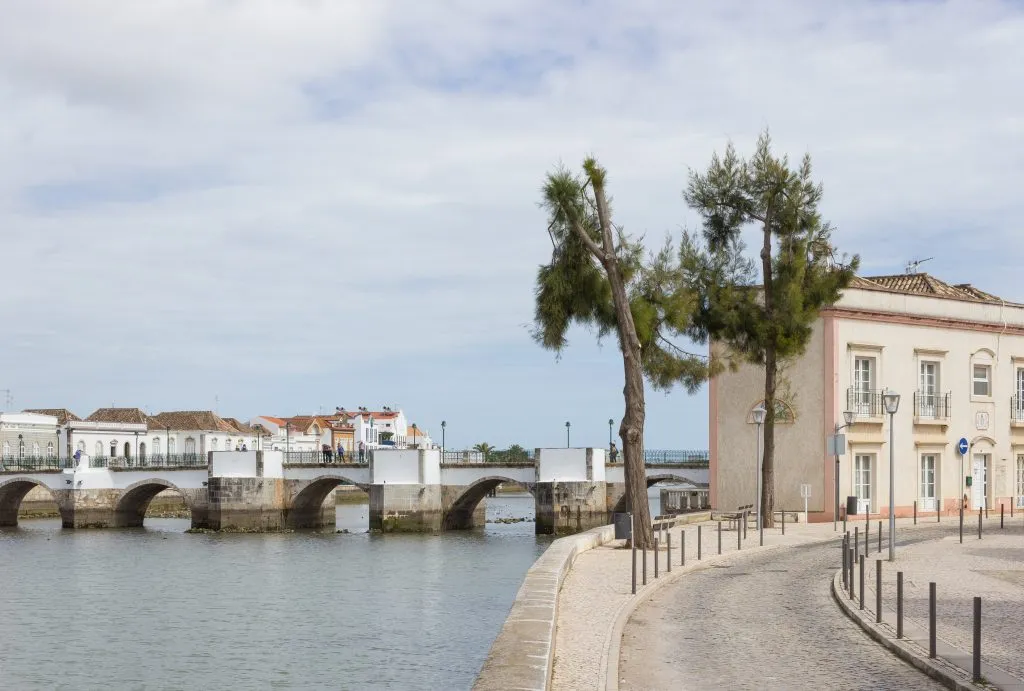
Tavira is often considered the most beautiful city in the Algarve. The Roman bridge over the River Gilão, the more than 30 historic churches, the manicured gardens, and the traditional açoteia architecture create an atmosphere of quiet elegance that is unique in the region. For more details, check out our complete Tavira guide.
Praia da Ilha de Tavira, accessible by ferry, is one of the largest and most beautiful barrier islands in the Algarve. Further east, Praia de Cacela Velha is possibly the most photogenic beach in the region: a vast stretch of white sand viewed from the medieval village perched atop the cliff, with the lagoon and ocean as backdrop.
Best for: couples, history and culture lovers, photographers, those escaping the crowds.
Castro Marim and Vila Real de Santo António
At the far eastern tip of the Algarve, by the Spanish border, Castro Marim and Vila Real de Santo António are little-known destinations with much to offer. Castro Marim has a medieval castle with impressive views over the Guadiana River and salt pans — the Sapal Nature Reserve is home to flamingos and dozens of other bird species.
Vila Real de Santo António, with its geometric Pombaline street plan inspired by Lisbon’s Baixa, is a border town with its own identity. The ferry to Ayamonte (Spain) takes just 15 minutes. The beaches in this area — Manta Rota and Alagoa (Altura) — are wide, flat, golden-sanded, and with warmer waters than the rest of the Algarve. They are genuinely family-oriented: no resorts, no Strip, no mass tourism.
Best for: families with children, budget travel, cross-border tourism, nature.
Serra do Algarve — The Interior
Most visitors never leave the coast, but the Algarve’s interior has a completely different beauty and deserves at least a day of exploration. The Serra de Monchique, with its highest point at 902 metres (Fóia), offers extraordinary panoramic views over the entire Algarve coast on clear days. The spa town of Caldas de Monchique, hidden in a valley of eucalyptus and cork oaks, retains its 19th-century charm and has thermal waters the Romans already knew.
Silves, the former Moorish capital of the Algarve, is an essential stop. The red sandstone castle, the largest in the Algarve, dominates the town and the fertile valley of orange groves. In August, the Silves Medieval Fair transforms the city into a 12th-century scene, with markets, shows, and period gastronomy.
For hiking enthusiasts, the Via Algarviana crosses the entire mountain range from east to west over approximately 300 km, passing through villages where time seems to have stopped: stone houses, terraced gardens, arbutus and carob trees.
Best for: hikers, nature lovers, cultural tourism, those wanting to escape the coastal heat in summer.
Which Zone Should You Choose?
The best zone in the Algarve depends on what you’re looking for. Here’s a quick summary to help you decide:
| Profile | Recommended Zones | Why |
|---|---|---|
| Families with children | Albufeira (west side), Vilamoura, Manta Rota | Safe beaches, full infrastructure, activities for all |
| Couples and honeymooners | Carvoeiro, Tavira, Sagres | Romantic atmosphere, stunning landscapes, tranquillity |
| Young travellers and nightlife | Albufeira (the Strip), Lagos | Bars, clubs, cosmopolitan vibe, hostels |
| Nature and adventure | Sagres, Ria Formosa, Serra de Monchique | Surfing, trails, kayaking, birdwatching |
| Luxury and golf | Vilamoura, Quinta do Lago, Vale do Lobo | 5-star resorts, award-winning courses, fine dining |
| Budget travel | Faro, Olhão, Castro Marim | Local prices, less touristy, authentic |
| Culture and history | Tavira, Silves, Faro, Lagos | Monuments, museums, architecture, markets |
For more help deciding where to stay, check our Algarve accommodation guide.
For official tourism information about each region, visit Visit Algarve and Visit Portugal — Algarve.
Frequently Asked Questions
How many regions does the Algarve have?
The Algarve traditionally divides into three coastal zones — Barlavento (western), Central, and Sotavento (eastern) — plus the mountainous interior of the Serra. Each zone has its own distinct character, type of beaches, and atmosphere.
What is the best area of the Algarve for holidays?
It depends on your profile. Families generally prefer Albufeira or Vilamoura for the infrastructure. Couples choose Carvoeiro or Tavira for the romance. Young travellers head to Albufeira or Lagos for the nightlife. Nature lovers opt for Sagres or the Ria Formosa.
How long does it take to drive across the Algarve?
From Sagres to Vila Real de Santo António is about 160 km via the A22 motorway (Via do Infante), which takes approximately 1 hour 40 minutes without stops. Via the national road (EN125), which passes through every town, allow 2.5 to 3 hours.
Is the Algarve interior worth visiting?
Absolutely. The Serra de Monchique, Silves, and the interior villages offer a completely different perspective of the region. It’s also an excellent option on the hottest summer days, as temperatures in the mountains are several degrees lower than on the coast.
What is the cheapest area of the Algarve?
The eastern Algarve (Olhão, Tavira, Castro Marim) and Faro tend to be more affordable than the big Barlavento resorts. Accommodation and dining prices are significantly lower than in Albufeira, Vilamoura, or Quinta do Lago, and the experience is more authentic.